You do not plan a broken windshield. It happens in the left lane on Business 85 when a dump truck spits a stone, or after a long shift downtown when you return to a passenger window glittering across the seat. In High Point, where a lot of people commute across Guilford, Forsyth, and Davidson counties, the worst part is rarely the break itself. It is the timing. A crack does not wait for business hours, and rain does not respect a hole in your door glass.
That is why round-the-clock service matters. Mobile teams that move across High Point and the surrounding area keep you from gambling with visibility, weather, and security. I have ridden along on all-night calls, wrestled urethane guns in parking lots, and calibrated cameras under street lamps behind furniture showrooms. The work looks simple from the outside. In practice, reliable High Point auto glass repair balances speed, safety, and the realities of your schedule.
What 24/7 actually means when your glass breaks
A lot of shops advertise emergency service, then define “emergency” as “we can see you tomorrow.” True 24/7 support is different. It is a live answer at 2:10 a.m., a dispatcher who can triage the job in minutes, and a truck rolling with the right glass or a secure-overnight plan if your vehicle uses rare parts. Around High Point, the calls skew predictable: cracked windshields on I‑74, side window smash-and-grabs near apartment lots, rear glass shattered by a lawn mower tossing gravel in suburban driveways. The distance across town is short, usually 15 to 25 minutes for a tech to arrive off-hours, assuming traffic is light and the glass is common.
The core services are straightforward. Mobile auto glass in High Point covers windshield replacement, side window replacement, quarter and vent glass, and back glass. Add ADAS calibration when your vehicle needs it, which is most late-model cars and SUVs. The key is matching the job to the moment. If you are stranded at night with a missing driver window, a tech will stabilize and secure the opening if an exact part is not available until the morning. If you are nursing a long windshield crack that formed mid-commute, the safest option may be to park and let mobile service come to your driveway before dawn.
Safety first, not speed at any cost
There is a reason professionals harp on urethane cure times and safe drive-away. The windshield is a structural component, not just a rain shield. It supports roof strength during a rollover and serves as a backboard for airbags. If you drive away before the adhesive achieves initial strength, the glass can shift, leak, or fail under load. In High Point’s summer, warm temperatures help curing. In winter, you need a moisture-curing urethane rated for lower temps, and sometimes a little more patience.
I have seen good techs refuse to release a vehicle early to hit a schedule, even with a frustrated customer hovering nearby. That judgment protects you. A cracked chip that looks harmless can spread with a single pothole hit on Main Street. A small misalignment during installation can throw off ADAS calibration by a degree, which is enough to change when lane keep kicks in. Good mobile crews carry calibrated digital levels, thickness gauges for primer, and thermometers for glass and pinch weld surfaces. They track batch numbers on urethane tubes. You might not see that work in the dark under a shop light, but it is what makes a windshield replacement in High Point safe to drive within the promised window.
When repair makes sense, and when replacement is smarter
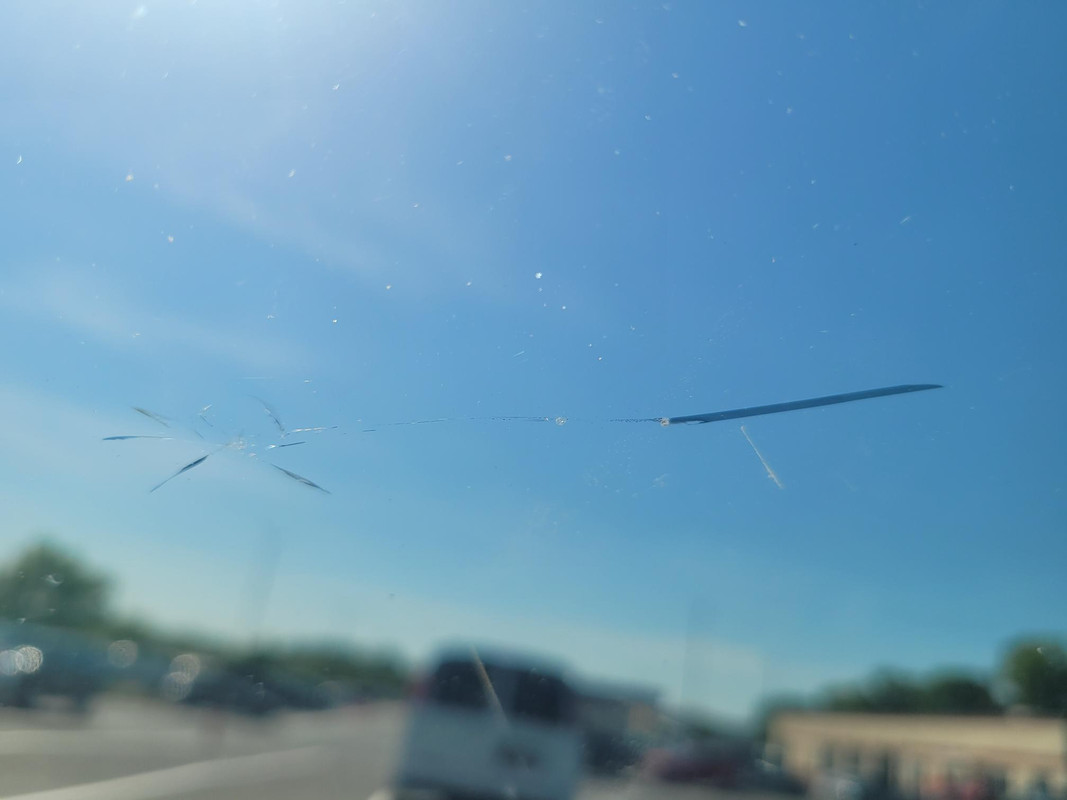
For chips and small cracks, repair means injecting resin to restore strength and clarity. The rule of thumb used to be nickel-sized chips and cracks under six inches. With better resins and injectors, I have seen clean repairs on cracks up to ten inches if they are not in the driver’s primary field of vision and the edges are intact. High Point’s roadwork and gravel exposure tend to create star breaks and bull’s-eyes more than long edge cracks, which raises repair success. If moisture has sat in the break for days, expect some light scarring, even when the repair bonds well. It is cosmetic, not a safety problem.
Replacement is the sure bet for long cracks, edge damage, laminate discoloration, or any break that intersects the camera’s view. Windshield replacement in High Point typically runs one to three hours onsite, plus cure time. OEM versus aftermarket glass is a nuanced call. Some models tolerate aftermarket parts perfectly. Others, especially with complex HUD and acoustic lamination, behave better with OEM. The shop should explain trade-offs: cost, availability, and how often recalibration passes on the first try with each option.
Side window replacement on a cold night
Side windows fail in two ways: blunt impact that shatters tempered glass into pebbles, or break-ins that leave the channel cut and regulator stressed. Side window replacement in High Point is usually quicker than windshields because urethane is not involved. You remove door panels, vacuum every cavity, check the regulator and guide channels, and seat the new glass. The part arrives clean, but the door’s inner pockets often hold hundreds of tiny cubes. Miss those, and they will rattle for months. The better mobile techs carry soft brushes, long-reach nozzles, and bright inspection lights to clear that debris.
If a part has to be sourced at daybreak, a secure-overnight approach keeps weather and thieves out. That usually means a rigid moisture barrier mounted inside the frame, not a noisy plastic sheet taped to the paint. It should hold at highway speed if you must move the car, though most shops prefer you leave the vehicle parked until the real glass goes in. For company fleets or rideshare drivers, time down is money lost. A well-drilled crew can swap many side windows curbside in under an hour once the part is on hand.
ADAS calibration is not optional anymore
If your car has a forward-facing camera behind the windshield, radar in the grille, or both, your glass job now has a second phase: calibration. ADAS calibration in High Point comes in two flavors. Static calibration uses targets and mats in a controlled space, often a shop or a mobile tent with enough flat, open floor. Dynamic calibration uses a scan tool while you drive on marked roads at set speeds for a defined distance. Some vehicles require both. Weather and road markings matter. Heavy rain or missing lane lines can delay a dynamic procedure, so a good provider will plan the route and timing.
I have been in the van when a camera was half a degree out, watched as the system flagged a DTC, then settled in after a second pass. It is not guesswork. The tech will measure the ride height, tire pressure, and load in the vehicle. Even the position of a roof rack can affect the field of view. If a shop shrugs and says calibration is optional, push back. Insurance carriers and manufacturers treat it as required, and it is tied directly to the moment your lane departure warning chirps or adaptive cruise locks onto a car ahead.
The mobile advantage around High Point
Mobile auto glass in High Point means you are not carving time from your day for a drop-off and a ride back from a shop ten miles away. The tech comes to your driveway in Emerywood, your office lot near N Main Street, or a rest area off I‑74. The best setups are self-contained. Power inverters for tools, water capture mats to keep your site clean, canopy shelters for rain, and secure glass racks for transport. The van should roll with standard glass for popular models, a wide set of moldings and clips, primers for both metal and frit band, and the right urethane viscosities for temperature swings.
There is a trade-off. Mobile work happens in the wild. Wind, dust, and pollen can complicate clean bonding surfaces. A meticulous tech will prep with alcohol wipes, tack-cloths, and masking to guard the dash. They will check pinch welds for rust and treat scratches to prevent future corrosion. These details separate Side window replacement High Point a quick swap from a lasting, quiet install that does not whistle at 60 mph on 311.
What a professional installation looks like up close
The ritual is consistent. You will see inspection first, because matching parts to options matters. Is your glass heated? Does it have a humidity sensor, a rain sensor, or acoustic lamination? Then comes protection. Fender covers, dash blankets, and tape on A‑pillars stop accidental scuffs. Cutting tools ease the old urethane bead without gouging the pinch weld. Any paint loss gets primer. The new bead should be uniform, with a set height to position the glass correctly. A too‑thin bead lowers the glass and opens gaps at the molding. A too‑high bead squeezes out, looks sloppy, and can compromise adhesion.
Inside the cabin, the tech will connect sensors, re-seat cowl panels, and route wires cleanly. That cowl area traps leaves and grit. If you get your car back and see a tidy, debris-free cowl, that is a sign someone took pride in the work. At the end, expect door glass and wiper tests, leak checks with a spray bottle, and a drive-off time based on adhesive specs and ambient conditions. If calibration is required, it will follow, with documentation and before/after scans saved for your records.
Costs, insurance, and making the call at 2 a.m.
For most drivers, cost is the hinge. Insurance in North Carolina varies on glass coverage. Some policies carry a separate glass endorsement with low or zero deductible. Others bucket glass into comprehensive. If a deductible is high, you may prefer to pay out of pocket for a chip repair or even a modest side window replacement. A straightforward windshield replacement in High Point can range widely based on sensors and brand. A basic truck windshield with no camera might land a few hundred dollars. A high-spec SUV with HUD and rain sensor can climb into four figures, especially if you insist on OEM.
When it is the middle of the night, the first call should still be to a live agent or a shop that can confirm coverage and schedule. Good providers will handle claims coordination and help you avoid double-calling. They will also give you options. Sometimes the best move is a temporary secure and a daylight return for proper calibration, especially if road markings are poor or visibility is bad for dynamic procedures. That honesty saves rework, and it keeps your systems right the first time.
Weather and timing in the Triad
High Point weather swings. Summer afternoons hit the 90s, with humid nights slowing some cure profiles. Winter mornings can freeze panels that were warm in the garage. Adhesive chemistry is picky. Cold glass needs more open time before setting. Hot glass can skin too fast. Good mobile teams carry urethane rated for the season and know how to stage the job. Rain complicates everything. If you see a van with a pop-up canopy and weighted legs, that is not a gimmick. It turns a grocery store lot into a stable environment long enough to get a safe install.
I remember a July night replacing a back glass in a driveway near HPU. The humidity was thick enough to chew. We prepped the flange, set the glass, and then left the hatch up longer than usual to give the urethane a clean start without pooling. Thirty minutes later the thunder rolled in. The hatch closed, but the timing mattered. Experience like that is what you pay for, not just the piece of glass.
Common pitfalls and how to avoid them
There are a few ways a simple job goes sideways. Ordering the wrong variant of a windshield is top of the list. Two pieces can look identical and differ in ceramic frit size or sensor mounts. Always share your VIN and options. Next is skipping primers on a repaired pinch weld. If you see bare metal, it needs protection before urethane. Third is ignoring calibration altogether, or treating it as a checkbox. Ask to see the calibration report. A reputable shop will hand it over without you needing to ask.
Then there is the temptation to drive too soon. Safe drive-away times are not marketing. They are calculated with temperature and humidity in mind. If a tech gives you a time range, honor the long end. If you are dealing with side window replacement and the regulator binds, do not force it. A sudden grind can chip the new glass or twist the guides. Call back and let them reset the track. Good shops stand behind their work, and nothing is gained by muscling a fresh install.
What to do immediately after damage
Use this short checklist when glass breaks. These steps protect you and can lower your total cost.
- If the windshield is cracked but intact, slow down, avoid potholes and sudden temperature shifts, and park under cover. Do not blast the defroster on a cold crack. For a shattered side or back glass, clear loose pieces from seats, cover the opening from inside with a clean cloth to keep water out, and avoid driving at highway speed until secured.
Those two steps handle 90 percent of the panic. The third step is to photograph the damage in daylight if possible, then call a mobile provider with your VIN and your preferred time window. If you have an aftermarket tint, mention it. If you have dash cams or toll transponders on the glass, note those too, so the tech arrives with extra clips and surface prep.
How to choose a High Point provider you can trust
Reputation is not just star ratings. The questions that matter are specific. Ask whether they perform ADAS calibration in-house or partner with a local alignments and calibration center, and whether they can handle both static and dynamic procedures. Ask if they document safe drive-away times on the work order. Ask what urethane brand and cure class they use, and whether it is appropriate for the day’s temperature. If the person on the phone can answer without hedging, you are probably in good hands.
You should also weigh response time against parts availability. A team can arrive in 30 minutes and still not complete the job that night if your vehicle uses a rare heated windshield with a unique sensor bracket. The honest move is to secure the car and return at first light with the right part, then calibrate on good road conditions. The result is safer, and your systems will work as designed. A rushed overnight install that fails calibration will waste more of your day.
Fleet, rideshare, and commercial realities
High Point has plenty of vehicles that earn their keep. Delivery vans, rideshare cars, mobile service trucks. Time down is real money. The best partners for fleets carry common glass in stock, maintain service records by VIN, and set up preventive checks. I have seen fleets save thousands a year by repairing chips within 48 hours rather than waiting for them to spread. For high-mileage vehicles, wiper blade condition and washer fluid quality matter more than most people think. Grit trapped under a blade scratches windshields, and those scratches flare at night under headlights. The quick fix now becomes a replacement later, plus calibration.
Fleet managers should push for standardized glass types where possible and stick to vendors who can meet after-hours windows. A 2 a.m. side window replacement on a delivery van is not a luxury. It is what keeps a route on schedule at dawn.
Little details that make daily driving better
After a fresh windshield, acoustic behavior changes. The cabin can feel quieter if you had an old wind whistle you learned to ignore. If a new whistle appears at speed, check the cowl alignment and A‑pillar moldings. A subtle gap near the mirror triangle can sing at 50 mph. A quick trip back to the installer can pinch that closed in minutes. Rain sensors sometimes need a few minutes of driving to normalize after reseating. Do not panic if the first sprinkle seems off. Cameras often need a short drive and clean glass to settle in as well.
If you had tint on a side window that was replaced, wait the recommended time before rolling it down. Adhesives under tint film need a day or more in cool weather. Rolling too early can crease the film and leave an edge that catches. Keep a small glass towel and a mild cleaner in the glove box, and avoid ammonia products on modern glass with sensor housings and frit bands.
The human side of a midnight call
There is nothing glamorous about replacing a windshield behind a closed store with only moths for company. Still, there is a satisfaction to getting someone back on the road, safely and without drama. I remember one emergency call near Lake Daniel, a sedan with a crack that ran from the edge almost to the mirror after a temperature swing. The driver kept apologizing for waking us up. By 4:30 a.m., the new glass was in, calibration passed on a quiet loop with clean lane lines, and he made a 6 a.m. start in Charlotte on time. He sent a single text later: “No whistle. Camera happy.” That is the goal every time.
When to wait and when to push for immediate help
Triage matters. If the damage blocks your view, or glass is missing on the driver’s side, do not drive. If the crack is long but off to the passenger side and conditions are dry, you may be able to limp home and schedule an early morning appointment. If a rear glass is gone but you can secure the cargo area and it is not raining, a sunrise install is often better for curing and calibration logistics.
The thread that runs through all of this is sound judgment. Not everything needs to be tackled in the dead of night. That said, if you are stranded or exposed, 24/7 service exists to make your next hour better than your last. The difference between a headache and a full-blown problem comes down to prompt action, clear communication, and a team that respects the details.
Bringing it all together for High Point drivers
High Point auto glass repair is not a mystery. It is a practiced craft with a technical backbone that grows every year as vehicles add sensors and structure to the glass assembly. Mobile teams bring that craft to your curb, your office, or the shoulder where you pulled over. Windshield replacement in High Point, side window replacement in High Point, and the ADAS calibration High Point vehicles require can happen on your schedule without compromising safety.
If you take nothing else from this, remember three things. First, protect yourself and the vehicle immediately after damage. Second, choose a provider who can speak fluently about parts, procedures, and calibration. Third, be patient with cure times and calibration steps that ensure your car’s safety systems work as designed. Do that, and a cracked windshield stays a short story in your week, not a saga.
The glass will break again for someone tonight. Maybe not for you. If it does, the right call will bring a van, a pair of practiced hands, and the quiet relief that comes when a problem is solved well enough to disappear from your mind by morning. That is what trustworthy, 24/7 mobile auto glass in High Point looks like.